
The most common mistakes in ship loading and discharge are starting without a proper hold inspection, recording rain stoppages incompletely, shipping damaged cargo without segregating it and taking photographs with no time or location reference. What these mistakes share is that they cannot be fixed afterwards. Below are eight frequent errors and a practical precaution for each.
Which mistakes happen during preparation?
Mistake one is skipping the hold inspection or carrying it out only from the hatch coaming. Residues or loose rust scale in the corners of a hold are often invisible from above. The precaution is to enter the hold where access allows and to keep a separate record for each hold.
Mistake two is failing to define the scope of supervision before operations start. If it is unclear on whose behalf the surveyor attends, which stages are covered and what the report must contain, critical moments may go unrecorded. Scope should be agreed in writing before the vessel arrives.
Which mistakes cause damage during the operation?
Mistake three is passing damaged or doubtful cargo to the ship without segregating it. A dented coil or torn bag spotted on the quay becomes both a B/L clause and a potential claim once it is stowed. Doubtful units should be held back and the decision left to the responsible parties.
Mistake four is unsuitable handling gear. Using chains instead of proper slings on steel coils, or hooks on bagged cargo, causes direct damage. Gear should be observed at the start of the operation and any concern reported straight away.
Communication is a frequent weak point at this stage. A problem reported only verbally, or only after completion, prevents the parties from acting in time. Short written notices with the time noted are a good habit.
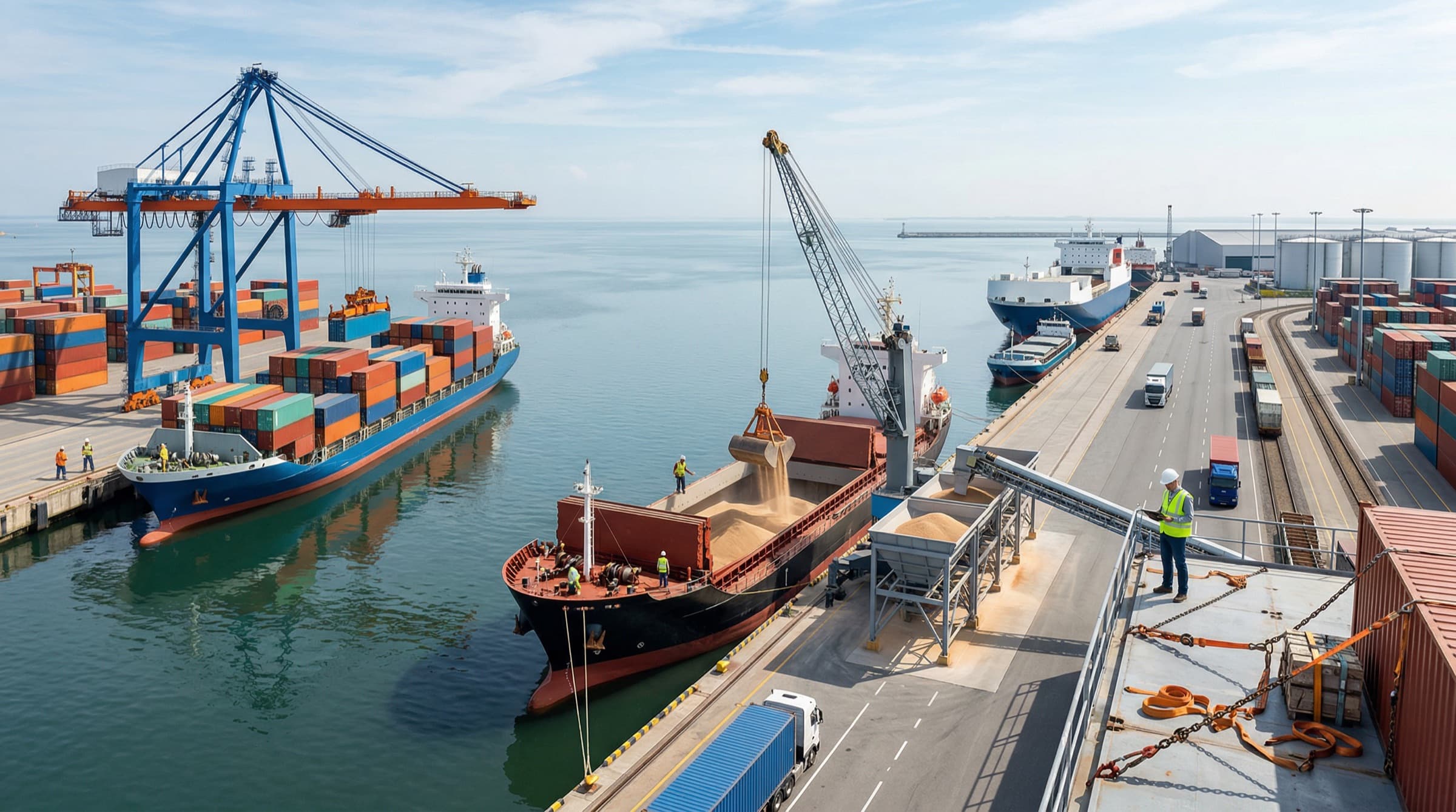
Why is weather the most neglected risk?
Mistake five is closing hatches too late when rain begins. Steel, paper, grain and fertiliser can all be affected by even a short shower. The time rain started, the time hatches were closed and the time they were reopened should each be logged.
These records matter not only for cargo condition but also for how rain stoppages are treated in the laytime calculation. A note saying it rained, without times, is rarely enough to resolve a later dispute.
What goes wrong with record-keeping?
Mistake six is taking photographs without context. A damage photo with no date, time, hold or unit reference carries little evidential weight. Note the time and location of every photo and keep the unit number in frame wherever possible.
Mistake seven is describing stoppages vaguely. Instead of operational reasons, the log should state a concrete cause, such as crane breakdown, awaiting cargo or terminal delay, and identify the affected hold or crane.
Which documentation mistake is the most expensive?
Mistake eight is signing the statement of facts and similar documents without checking them against site records. A wrong time on a signed document is hard to correct later. If a protest is needed, it should be made in writing during or immediately after the operation.
- Enter and inspect each hold and record holds individually
- Agree the supervision scope in writing before arrival
- Hold back doubtful cargo and decide before it is loaded
- Observe handling gear at the start of operations
- Log rain start and stop times to the minute
- Add time, location and unit number to every photo
- Record stoppage causes concretely, with the equipment affected
- Cross-check documents against independent logs before signing
Which mistakes are specific to discharge?
The most frequent discharge-port mistake is failing to record the in-hold condition of the cargo before discharge begins. The first view when hatches are opened gives the clearest clue to the source of wetting, heating or stowage damage, and it disappears once discharge is under way.
Other common problems include logging grab or forklift damage as if it occurred on board, landing damaged units in the same area as sound ones, and not confirming at completion that every hold has been fully discharged. Cargo left on board can come back later as a shortage claim.
How can these mistakes be prevented systematically?
Most of the mistakes above come down to nobody being on site whose sole job is to watch the cargo and keep records throughout the operation. An independent surveyor fills that gap, providing both real-time notification and an orderly record that can be relied on later.
Karan Gözetim offers loading and discharge supervision from Gemlik; the scope is agreed at the quotation stage.
Frequently asked questions
Which loading mistake is the most costly?
That depends on the cargo and the contract. In disputes, however, the mistakes that cannot be corrected afterwards, such as an unrecorded hold condition or an unlogged stoppage, tend to cause the most trouble.
Do the same mistakes apply at the discharge port?
Largely, yes. At discharge, failing to record the in-hold condition of cargo before discharge starts and mixing damaged cargo with sound cargo are additional common problems.
Can ship's officers use this checklist too?
Yes. It is based on general field practice and can be used as a reference by shippers, agents or the ship. The vessel's own procedures and the contract terms always take precedence.
Topics
- ship loading mistakes
- common loading errors
- discharge operation mistakes
- causes of cargo damage
- port operation checklist
- loading operation risks